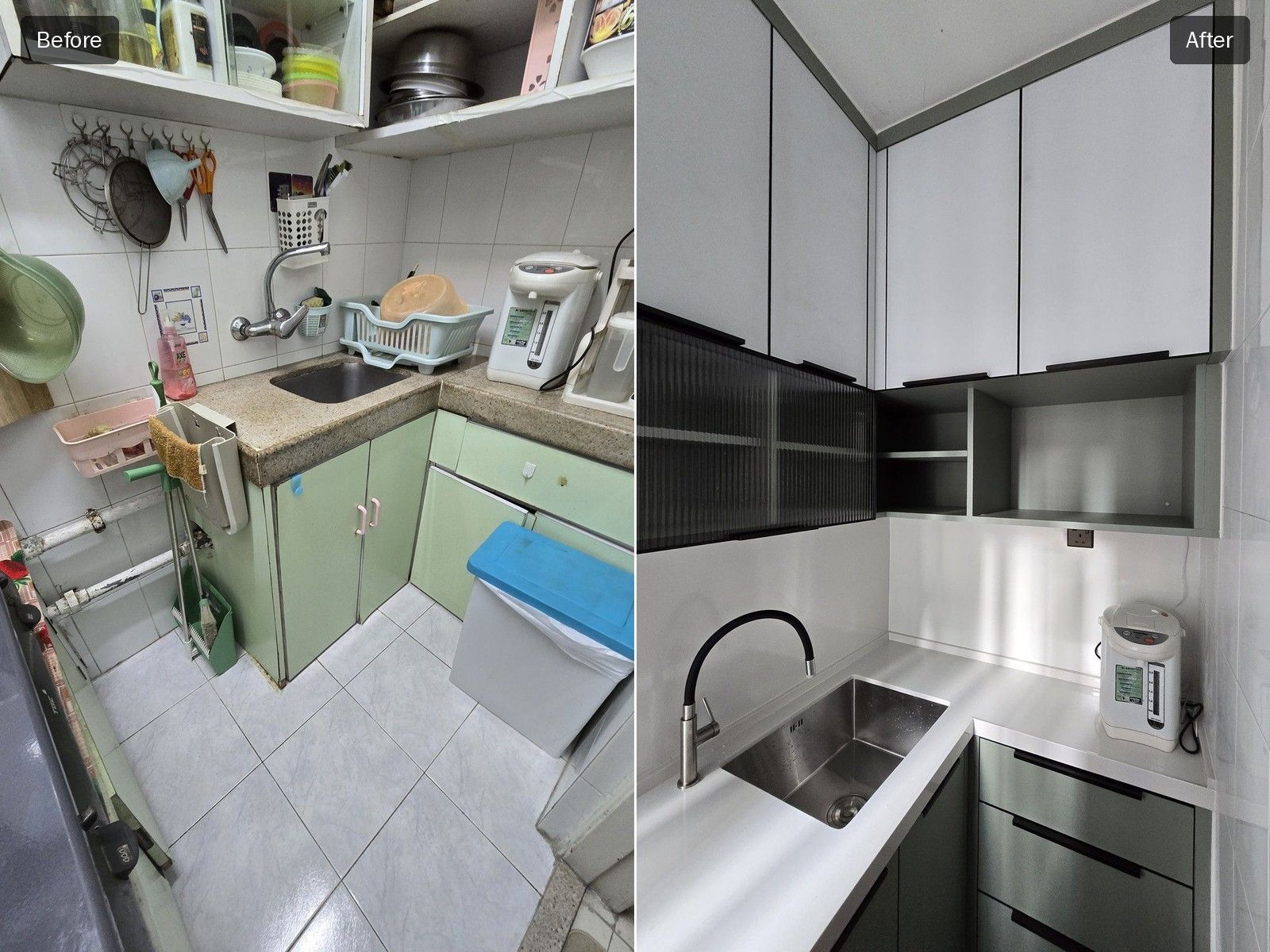
Renovating a unit in an older Hong Kong building can be one of the most rewarding projects - and one of the most demanding. Beyond the design, there are structural realities, regulations and costs that only become clear once work begins.
Assess the building before you design
Every old building is different. Before committing to a design, have the property inspected for water seepage, structural movement and outdated electrical wiring. These conditions shape both the renovation approach and the budget. Fixing problems after walls are opened always costs more.
Know the regulations
Hong Kong imposes rules on renovation works in existing buildings: permitted working hours, waste disposal requirements and, for works affecting the building structure, approval from the Buildings Department. Fire safety requirements may also apply to certain materials and layouts. Confirm with your contractor that the planned works comply before signing the contract.
Plan for hidden costs
Older properties frequently reveal surprises once demolition starts: corroded pipes, uneven screed, concealed damp and outdated circuits. A contingency of around 15 percent is sensible for old-building projects. Waterproofing and wall levelling are almost always needed - budget for them from the start rather than treating them as extras.
Work with experience
The difference in old-building renovation is experience. An experienced team knows what to look for at inspection, how to sequence works to protect neighbouring units, and how to manage surprises without derailing the schedule. Ask for completed projects in similar buildings and check the contractor's track record.
At LICHT Engineering, old-building transformations are a core part of our portfolio. Every project starts with a thorough inspection and a transparent, itemised quotation - so you see the full picture before work begins.